Basement Foundation Inspections & Repairs

BUSTAMANTE BLOG • May 2, 2022

Which Basement Foundation Repair Solution is Right for Me? 

Stabilizing your settling home is one of the most important foundation repair decisions you can make. It may be tempting to apply cosmetic repairs, but these issues will only reappear because they may signal hidden foundation problems.  At BUSTAMANTE ENGINEERS, our team of professional engineers is here to help with the experience to diagnose and solve your basement foundation problems.

Signs of Foundation Settlement & Hydrostatic Movement 

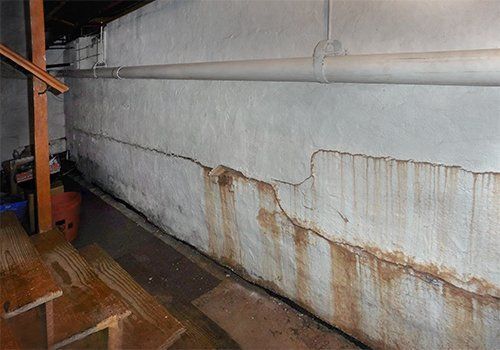
Discovering cracks in your home is often the first sign of settlement. On your home’s upper level, you may notice cracks or gaps around window and door frames, cracks in the drywall or plaster, or doors and windows that stick. In your basement look for vertical and stair-step cracks in the foundation wall. There are other types of cracks that may indicate issues with excessive hydros tatic pressure, like horizontal cracks through the mortar or the blocks themselves. Although these cracks may appear to be serious, the good news is that most foundation issues can be repaired. 

Basement Foundation Repair Solutions

While some foundation repairs may not need the evaluation of a professional licensed engineer, just keep in mind before you call a foundation repair company, you should have some knowledge before signing a contract with them. Depending on the type of repair, vertical or horizontal movement will typically require the following proven solutions:

  • Concrete Reinforcement - Inserting strategically spaced steel rebar into the cavities of the concrete block, will help stabilize bowed basement walls.
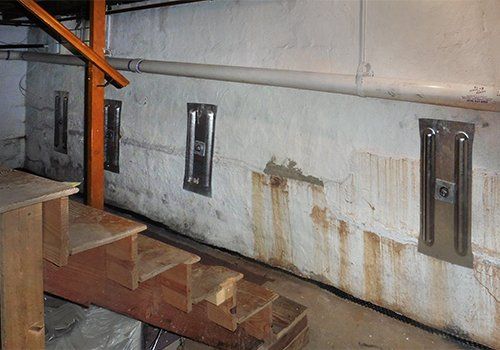
  • Wall Anchors - This type of repair is used to stabilize bowed walls that are tipping at the top and pushing in at the bottom. They can be installed with the anchors located outside in the ground connecting tie-rods through the block walls and attached with plates.
  • Pressurized Sealants – For poured concrete walls, epoxy or urethane sealants can be used to stop cracks from continuing and to stop water from penetrating through them.
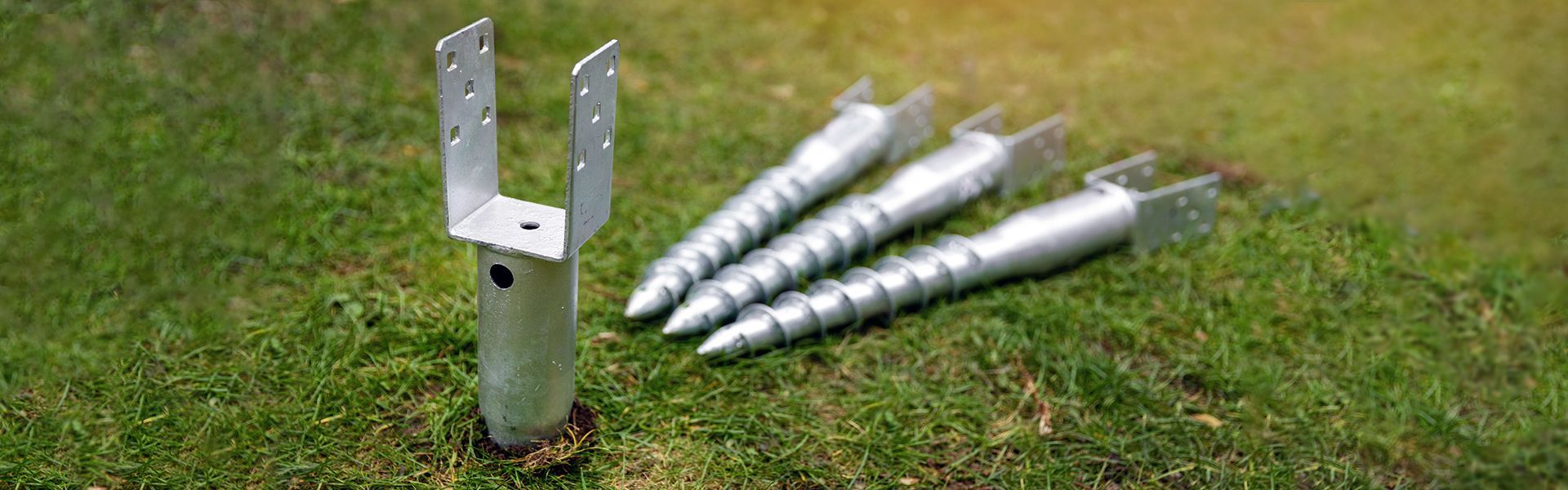
  • Foundation Underpinning or Foundation Piers – To solve excessive settling conditions, underpinnings (steel shaft helical piers with straight or spiral blades) are driven deep underground down to load-bearing soil.

BEFORE

AFTER

Your Basement Foundation Inspection & Repair Experts

 At BUSTAMANTE ENGINEERS, our goal is to inspect and diagnose your home with precision so that you can get the solution you need. Since many types of foundation issues spur from the same root causes, it’s wise to keep an eye not only on your basement foundation, but your outdoor concrete, gutters, attic, roof. Having a structural engineer from BUSTAMANTE inspect your whole home can help target the root cause of the home’s issues and stop it at the source.


Don’t let the cracks in your basement foundation walls turn into a catastrophe! BUSTAMANTE ENGINEERS can
inspect and make recommendations for foundation repairs in Pennsylvania, New Jersey and Delaware, restoring both structural integrity and property value.  Call 215-340-6990 or click to contact us and learn more about our professional foundation inspections and repair solutions.

SHARE CONTENT

RECENT POSTS

When to Call in the Pros for a Structural Inspection
By BUSTAMANTE ENGINEERS STAFF August 1, 2025
A structural inspection is a close visual examination performed by a licensed engineer to assess the health of your home’s load-bearing components, such as the foundation, joists, trusses, columns, beams...

Five Things to Look for When Inspecting an Existing Deck
By BUSTAMANTE STAFF May 28, 2025
It is recommended to inspect your deck annually to identify any issues that need attention. To assess the deck’s overall safety and compliance with building codes, focus on the five key areas listed below...
Ice Dams Are Typically Caused by a Winter Heat Loss Problem
By BUSTAMANTE STAFF February 18, 2025
What Are Ice Dams? Ice dams are ridges of ice that form at the edge of a roof, preventing melted snow from properly draining off. This trapped water can seep under shingles and into your home, leading to leaks, mold growth, and structural damage.
Show More