Pavement Choices for Your Home - GRAVEL & PAVERS
A Review of Residential Hardscape Surfaces – GRAVEL & PAVERS
Are you thinking about updating or expanding your driveway - or constructing a new one? Let’s take some time to deep dive into the benefits of each type of common pavement material: ASPHALT, CONCRETE, GRAVEL/STONE & PAVERS. This article will talk specifically about gravel driveways and the various types of pavers available. Asphalt and concrete pavement surfaces have been discussed in the previous installment.
The primary function of pavement is to provide a smooth surface for a vehicle or pedestrian to travel. Without a sufficient subbase to the top material, your pavement can sink and create an uneven driving and/or walking surface. Pavers and gravel require a similar subbase that will support the driving surface. If you are building a driveway where there has not been one previously, it is recommended that you have an engineer involved such as the experts from
BUSTAMANTE ENGINEERS. You may need our professional services for the design of the driveway and sitework. Building a new driveway may require permits, so check with your local municipality about what is involved in constructing a driveway.
Good Beginnings = a Great Driveway
Survey your property and decide the location, length, and shape of your driveway. Determine if you want to have a parking area or other features. Then, outline it using short stakes and twine to ensure it works with your space. When beginning the construction of the driveway, a contractor will strip the sod, vegetation, and topsoil from the designated area to expose bare soils before beginning. As a final site preparation step, adding a layer of permeable landscaping fabric is suggested as a weed barrier.
All Functional Driveways Require the Following:
- Subgrade Soil – A good soil to lay your subbase on is very important. The soil should not be too wet where you want to lay the subbase. Wet soil means it may not have the structural stability to withstand cars repeatedly driving over the finished surface. Some of the possibilities that may occur when you install a driveway on poor soils are rutting, premature cracking, and potholes beginning to form on the driveway.
- Subbase Layer – For asphalt pavement or concrete surfaces, a compacted stone shall be laid on top of the acceptable subgrade soil. Then a 4-6 inch subbase of a modified stone is to be laid and compacted properly. Modified stone typically consists of a slightly larger (1 ½ to 2 inch) irregular shaped stone with lots of “fines” in it. Fines are smaller bits of rock, sand, or clay that create a better compaction rate which makes for a great subbase.
Gravel Driveway Components & Installation
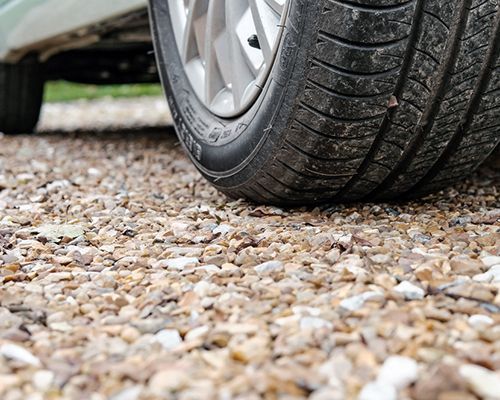
Laid correctly and properly maintained, gravel offers a budget-friendly, low-maintenance driveway option with a classic look. This is a broad category but, most stable gravel driveways have three rock layers including the Subbase Layer discussed above.
- The middle Base Layer is typically comprised of 2-3 inch stones. Once spread over the area in a single interlocking 4-6” layer, the driveway will be compacted thoroughly with machinery before adding the next layer.
- The top Surface Layer is a smaller gravel ranging from ½ -2 inches in diameter. There are a wide variety of choices for the decorative top layer such as crushed stone, quarry process, pea gravel, jersey shore gravel, lava rock, marble chips, river rock, brick chips, decomposed granite, or black trap rock. These are the best options for driveway surfaces because they are small stones combined with rock dust, which makes a more solid driving surface.
Permeable, Porous & Pervious Paver Block Driveway Components & Installation
There are benefits to permeable driveway systems as it may assist the homeowner in reducing impervious coverage on their lot and improving water quality by filtering pollutants through its subbase. Check with your local municipality to see if permeable pavements are acceptable as approved pavement.
Permeable Pavers - Composed of a layer of concrete or fired clay brick, these pavers are separated by joints filled with select crushed aggregate. Water is circumvented around the paver, and the filtering process begins between the pavers in the aggregate filled void spaces. This mimics the natural process that occurs on the ground surface.
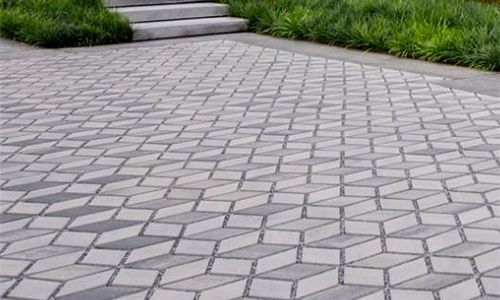
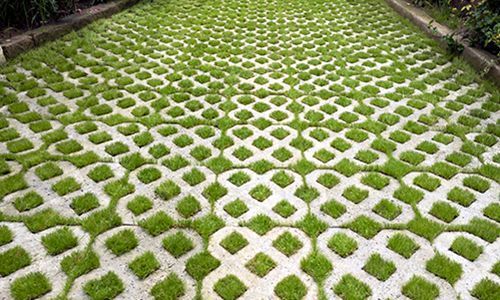
Porous Pavers – Generally, a cellular grid system filled with dirt, sand, or gravel, provides grass reinforcement, ground stabilization and gravel retention. In addition to load support, the grid reduces compaction of the soil to maintain permeability, while the plant roots improve water infiltration. Grasspave2 is a sample porous pavers system.
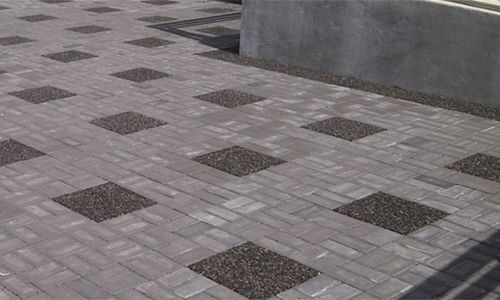
Pervious Pavers – These pavers are manufactured from natural stone and bonded together using organic polymers. This allows stormwater to percolate through the surface of the paver rather than running off into surrounding areas or storm drains. As the water runs through, the pavers filter pollutants.
Pros & Cons of a Gravel Driveway
Pros & Cons of a Paver Block Driveway
Contact the Professionals at BUSTAMANTE ENGINEERS
Most driveways are a straightforward job for a properly licensed builder. But for more complex sites, especially sloping lots, we recommend a driveway design from a professional engineer. To create a suitable design for your driveway, BUSTAMANTE ENGINEERS will review the proposed site and provide a working plan to satisfy your requirements. Call us today at 215-340-6990 or click to contact us online today!
RECENT POSTS